
Valerian
Valeriana Officinalis - (not to be confused with Valeriana Rubra*)

*Note1
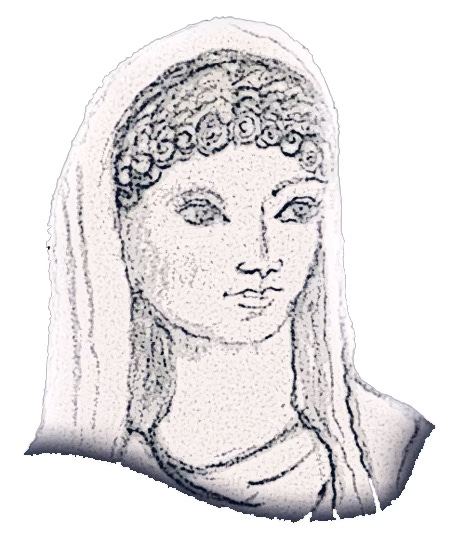
There have been one or two unlikely claims over the years as to the derivation of ‘Valerian’. One theory claims it was from Valeria Messalina, the notorious wife of Emperor Claudius (and cousin of Nero and Calligula!), who was allegedly cured of a serious disease with Valerian, though there is no surviving evidence to back up the claim. And of course Messalina’s name is much more associated with rampant promiscuity than herbal medicine. Maybe the disease she was treated for was of the venerial variety? Whatever, it didn’t protect her from being executed at the age of 28 on the orders of her husband for her involvement in a plot to overthrow him.
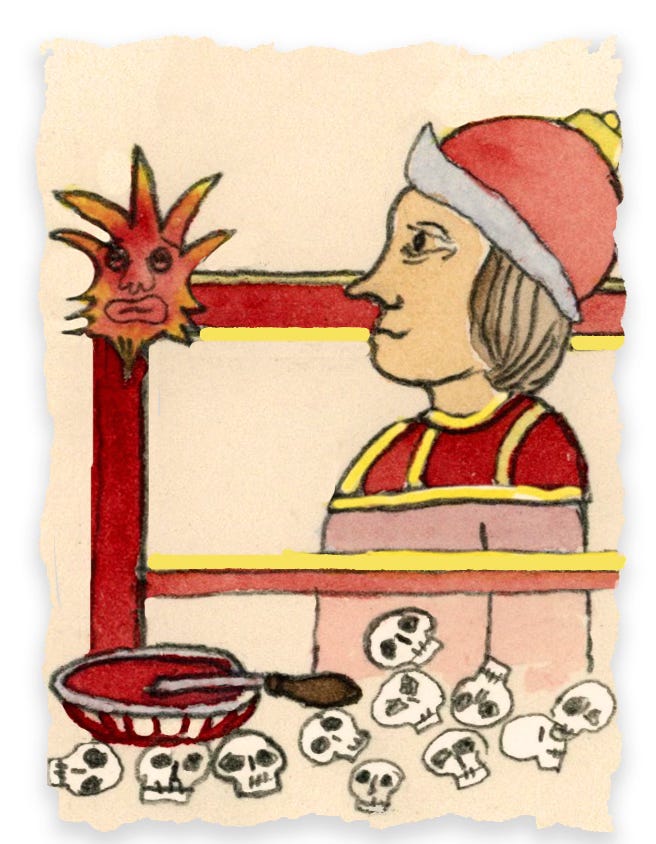
Another theory had it that Plinius Valerius, a Roman of Germanic origin, was the first to use Valerian as a sedative. But, this was based on the idea that it was Plinius Valerius who compiled the ‘Medicina Plinii’2 in which Valerian was mentioned. Unfortunately the Medicina was collated during the 4th century, 300 years before Plinius was born. Could it be the theory was based on a simple confusion of names? Plinius did write a rather garbled version of Pliny’s ‘Naturalis Historia’, but it seems unlikely that this would have justified giving him the honour of having a valued medicinal plant named after him.

In Germany, ‘Valerian’ is called ‘Baldrian’. One theory suggests it was named after Balder, the son of war god Odin and his wife Frigg. Balder was a symbol of love, light and courage - not too dissimilar, possibly, to the attributes of health and strength of Valerian. And the verbal link between Valerian and Baldrian? It was thought that the way ‘Baldrian’ was pronounced by monks in Germany was not too dissimilar to non-Germanic people’s pronunciation of ‘Valerian’. Being Dutch I can just about accept it. Just about.
But the most likely - and simple - explanation for Valerian’s derivation is that it comes from the Latin word, ‘Valere’ meaning ‘healthy’, ’strong’ and ‘healing’. The healing and soothing powers of Valerian having been known for millennia, and as Culpepper wrote:
“The root helps all stoppings and stranglings in any part of the body […]”
‘Officinalis’, the second part of the scientific name, means ‘used in medicine’. The word was also used for the storeroom in monasteries where medicinal plants were kept.
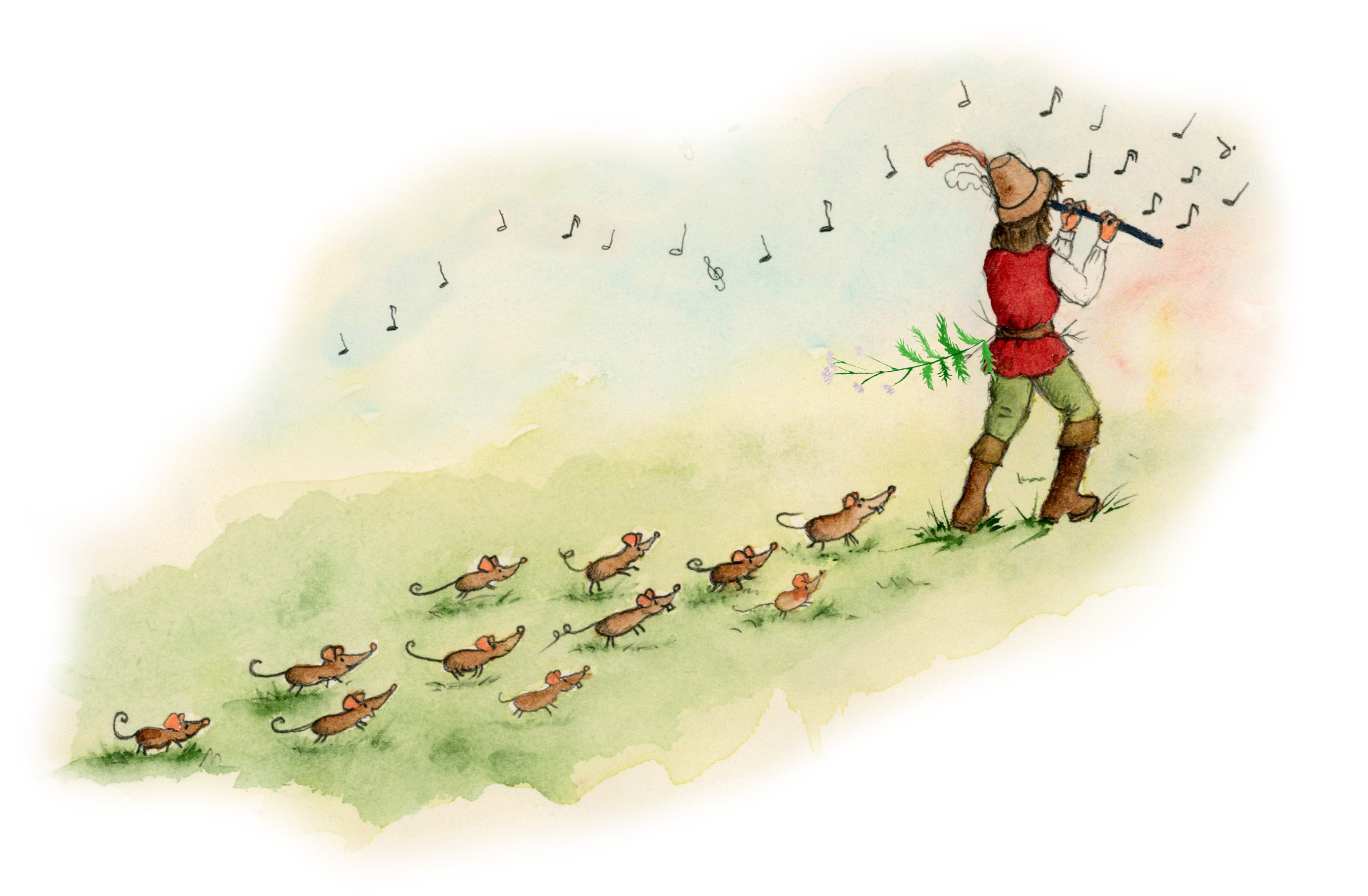
‘Valerian’ doesn’t just have an effect on humans. Rats are said to be attracted to the aroma. In some versions of the Pied Piper story (partly based on actual documented events in the year 1284), his being able to lure rats away from the streets of Hamelin had more to do with his pockets being stuffed with Valerian than his magical pipe-playing abilities.
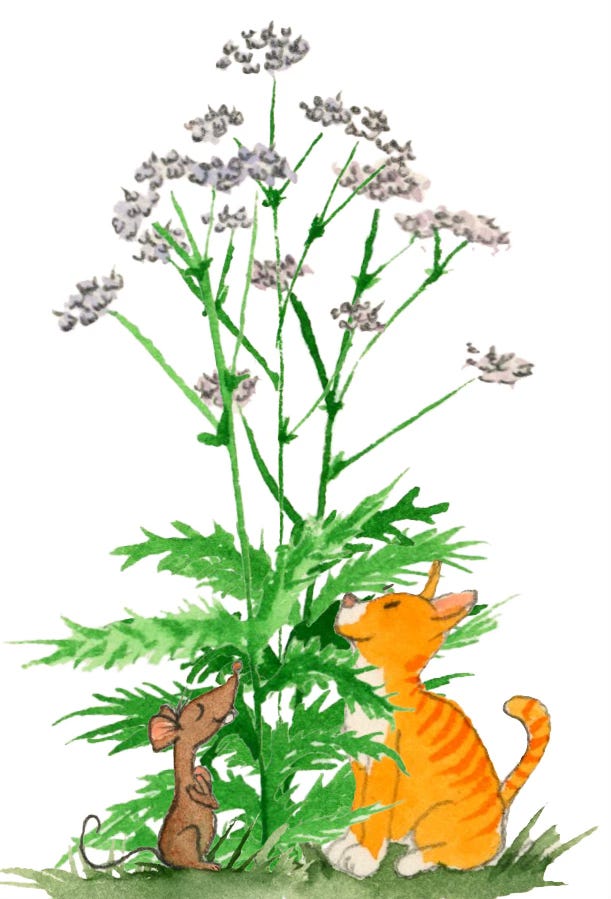
Travellers were also said to sometimes use scented oils of valerian and aniseed to calm unfriendly dogs and horses that they came across on their travels. And cats could become obsessed with Valerian’s aroma - a bit like they are with catnip - sometimes digging up the plants to get at the roots, the habit leading to it also being known as ‘Cat’s Valerian’.
Other names for Valerian are: Capon’s tail (after the way the flowers spread), Phu (referring to the unpleasant aroma of its roots), All-Heal, Amantilla. Setwall, Setewale (names by which it was known in Chaucer’s time), Rat’s Valerian, God’s Hand Leaf and Cut Leaf (referring to its wound healing properties).
Flowerology is a reader supported publication. To support my work you might consider to subscribe for free, buy me a tea (to keep me awake when reading ancient herbals till deep in the night) or simply click the heart shaped ‘like’ button on the top or bottom of this post (it helps the algorithms apparently). Thank you!
If you’re curious about other wildflower names, you can find all flowers covered in Flowerology so far, in the alphabetical archive. And you can find a list of all the books used for researching Flowerology in the Reading List which is frequently updated with new etymology dictionaries, herbals and plant lore books.

This newsletter is NOT a field guide for flower identification. It’s often difficult to tell the difference between harmless plants and poisonous plants and some flowers are rare and protected by law, so, NEVER pick or use any plants or flowers if you’re not sure about them.
illustrations and text ©Chantal Bourgonje
Valeriana Rubra, until 2019 known as Centranthus Rubra (after having been Valeriania till 1805), the garden variety (and often escapee), which has a white variant that looks similar to Valeriana officinalis
The Medicina Plinii is an early 4th century compilation of plant and animal based medicines as described in Pliny the Elder’s ‘Naturalis Historia’, the world’s first encyclopedia written in the 1st century AD.
"Stinky gym socks" is the typical root smell, but I once made an alchemical spagyric medicine from it and must have done something right, because the result was sweet and the most pleasant tasting herbal I've ever made. Works fantastic for sleep (better than sleeping pills--no hangover effect) and lifts the mood in higher doses. Thanks for this history and linguistic analysis!!!