
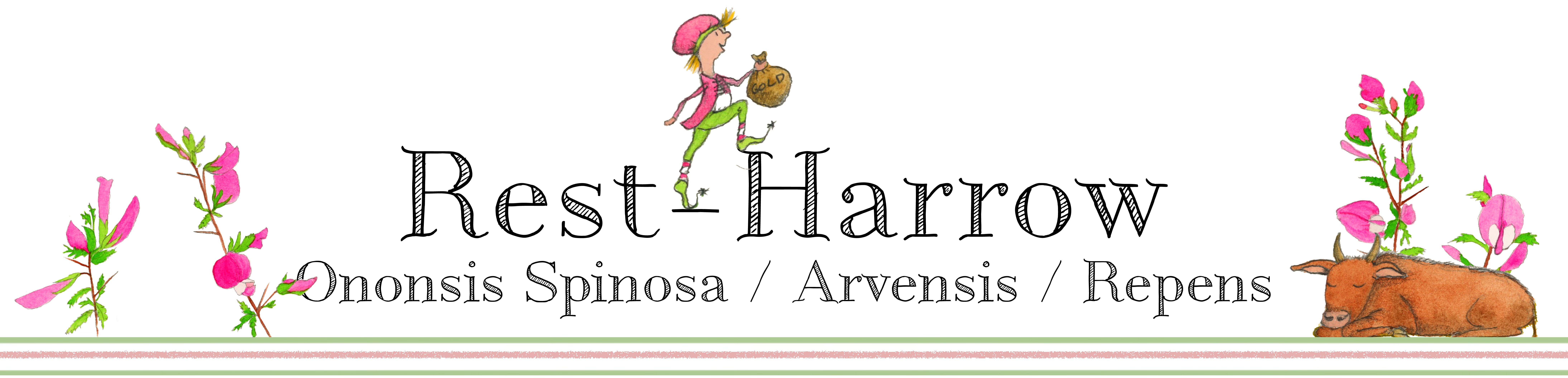
Rest-Harrow
Ononsis Spinosa - Ononis Arvensis - Ononis Repens

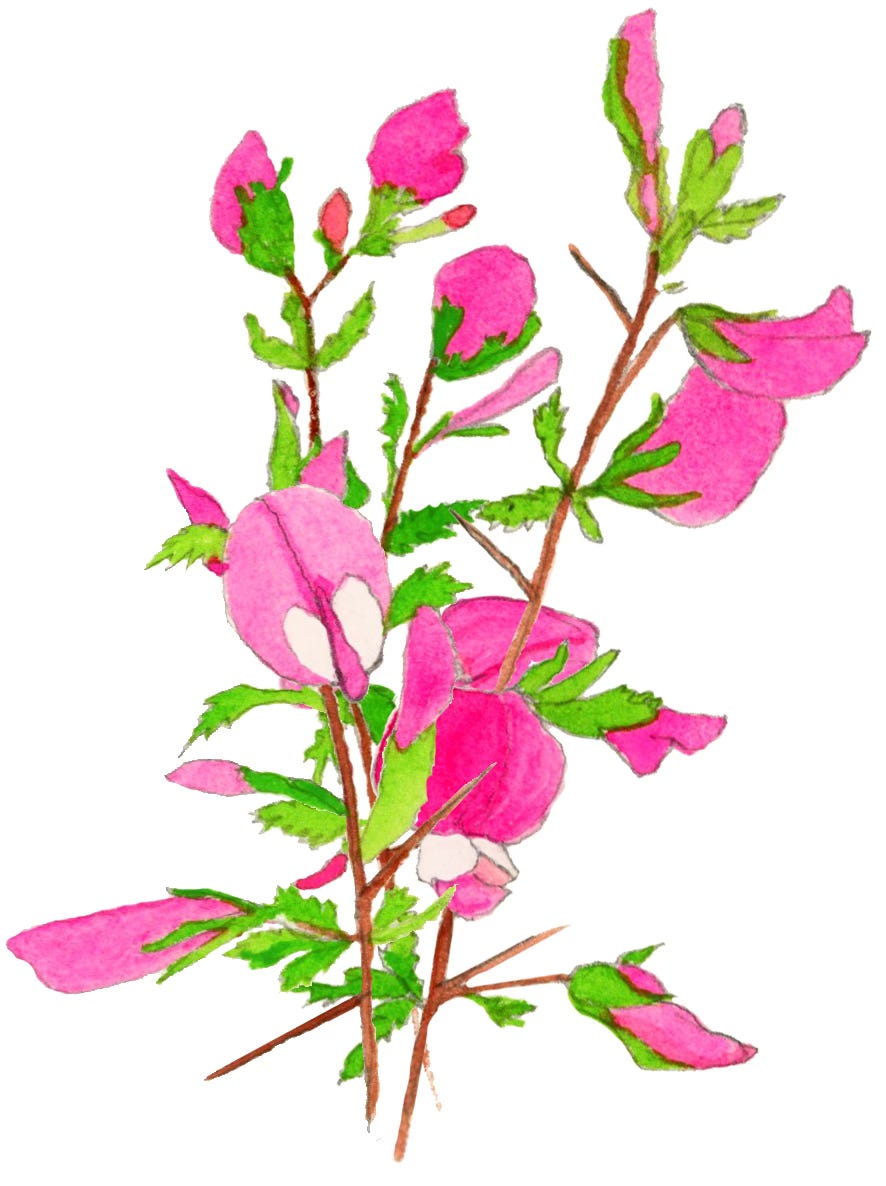
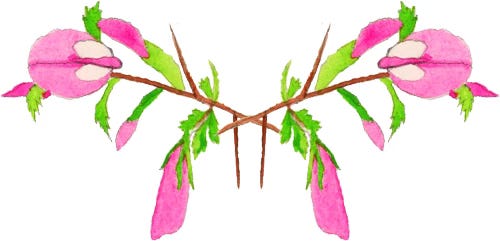
The Spiny, Field and Common Restharrows are all very similar. The main difference is their level of spikiness. Spiny Rest-Harrow (the name’s a bit of a giveaway) is the spikiest; Field Rest-Harrow is a little less spiky; and Common Rest-Harrow is the least spiky of the three.
The spikiness of Rest-Harrow has made it one of the candidates for plants used by the Romans for making Jesus’ crown of thorns. It certainly does grow in the Middle East, so it could have been used.
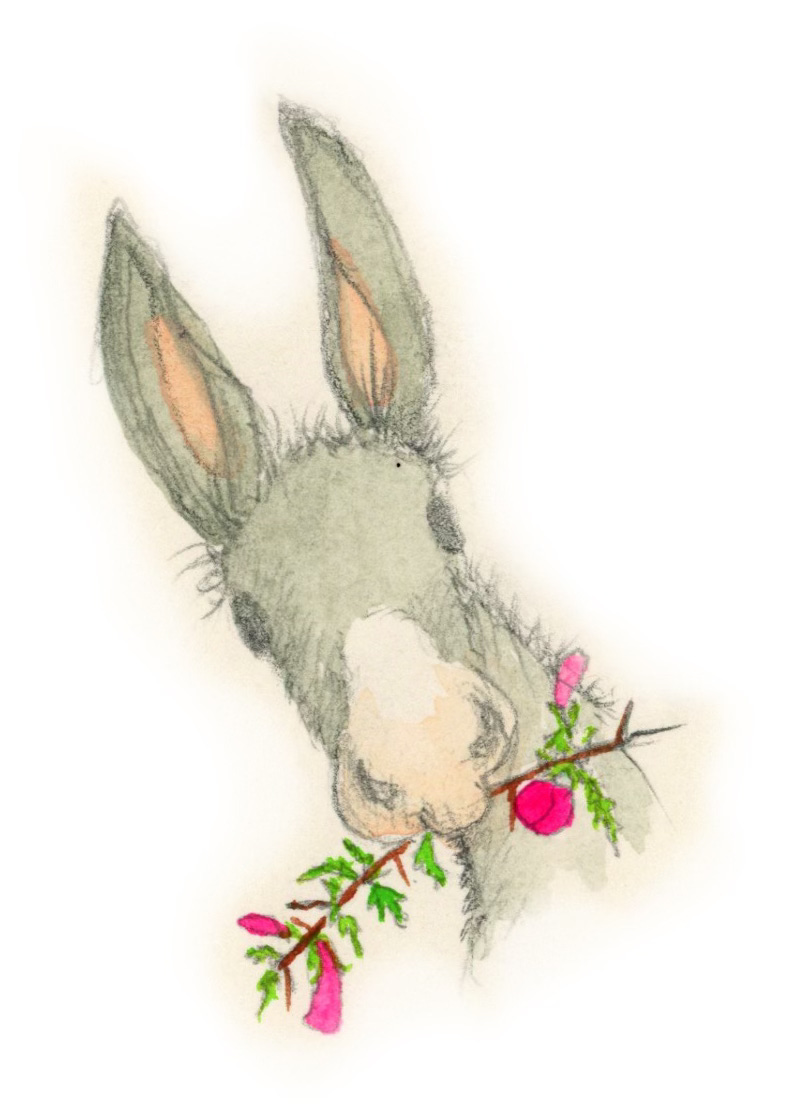
The sharp spikes can also have positive uses though, at least for some creatures. Donkeys in particular love to rub themselves against the plants when itchy and, despite the thorns, enjoy eating it too. Hence the scientific name Ononis, which comes from Onos, the Greek word for donkey. The roots are actually tasty for humans too, at least for those of us who enjoy liquorice. There are numerous stories of children chewing on Rest-Harrow roots in the same way they would have done with liquorice wood.
The second half of the three scientific names have Latin origins: Spinosa for Spiky, Arvenis for ‘growing on a field or cultivated ground’, and Repens for Creeping.
The main characteristic of the Rest-Harrows, apart from their spikiness, is their strong, matted root system. The roots are so strong that they stop ploughs and harrows from going through them.
Its alternative name, Arrest Bovis, from French arrete-boeuf, is explained by John Gerard (1545-1612), botanist and herbalist:
‘because it maketh the Oxen, whilst they be in plowing, to rest or stand still’
For similar reasons Rest-Harrow is called ‘Stalkruid’ (Stable Wort) in Dutch and ‘Bugrane épineuse’ (Spiky Stable Wort) in French, referring to the idea that you might just as well keep your ploughing oxen in the stable if Rest-Harrow was growing on your land.
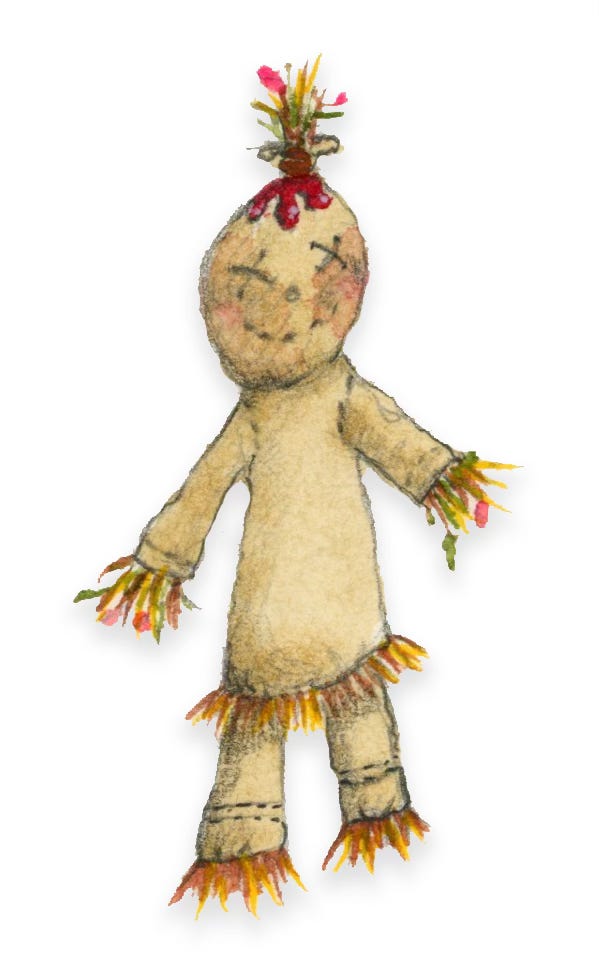
In Sweden Rest-Harrow has the more sinister name of Puktorne. Torne just means thorn, but Puk, Puken or Puke was originally an ancient name for Satan. The Swedish Puk, like the English Puck (who we met previously in the context of Herb Robert and Ragged Robin) was a notorious trickster, with pranks ranging from making the milk go sour all the way to famine and death. And you could invoke Puk to go and torment your enemies by making an effigy of him out of rags, hay and dried Rest-Harrow with three drops of human blood dripped on his head.
However, do note that folklore tells us that Puk / Puck is a fickle creature and can be placated with gold or a bowl of cream or simply by being kind to animals. He might actually help you if he saw you as someone who would always be good to him and the natural world. So if you send Puk out to play tricks on your enemies, he might just end up doing them a good turn if your enemy plays their cards right. You just never know with Puk.

Puck has been tormenting people since ancient times and similar words for Puck can be found in Scandinavian (Puki, Puge, Puken), Germanic (Puks), Celtic (Puca,Pwca and Phouka) and even Latvian and Lithuanian (Pukis) languages. His level of wickedness varies from region to region, and has mellowed over time. In Norway for example, Puki is the devil himself, whereas the Cornish Piskies are generally just mischievous farm sprites.
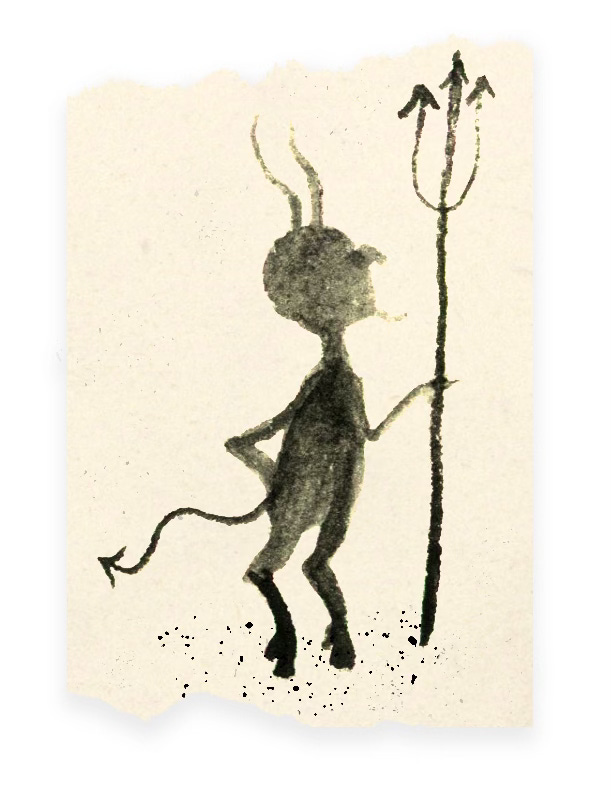
The Old English word Puca originally meant Goblin or Demon but over time got connected to Robin Goodfellow, who was mostly a trickster and jester, although religious propaganda tried to make him look more evil to keep parishioners away from the old folk beliefs. Etymologists today are not certain where Puck originated, but the theory that he was originally Scandinavian and came to other parts of the world with the Vikings, is currently favoured.
On a less sinister note, Maud Grieve (1858-1941) wrote in a “Modern Herbal” (published in 1931) that snakes don’t like Rest-Harrow, and it does have some medicinal properties. Famous herbalist Nicholas Culpeper (1616-1654) used the bark of the root in wine for kidney stones. Nowadays the flowers and root are still popular with herbalists to treat urinary tract infections and cystitis.
Other names for Rest-Harrow are Cammock, Cammoak, Stinking Tommy, Ground Furze and Land Whin (Furze and Whin are words for ‘gorse’).
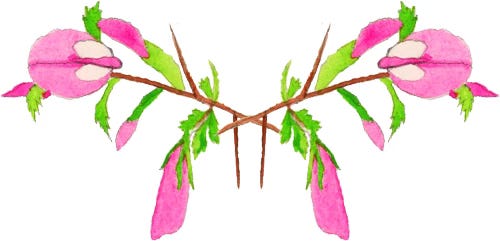
Cammock or Cammoak means crooked beam, bent tree or thorny shrub and describes the shape of the plant and its roots. This word has ancient Celtic roots (no pun intended) ‘camb’ meaning bent or crooked. ‘Camog’ in Welsh is bent stick and ‘Camag’ in Scottish is Curl or crook. ‘Cammock’ sometimes gets used as a nickname for a mischievous person.
If you enjoyed reading this, you might like to click the ‘like’ button to support my work (it helps with the algorithms apparently).
You might also enjoy reading about other wildflowers. You can find all flowers covered in Flowerology so far, in the alphabetical archive. And if you’d like to know how Flowerology originated, you can read more in the about page.
This newsletter is NOT a field guide for flower identification. It’s often difficult to tell the difference between harmless plants and poisonous plants and some flowers are rare and protected by law, so, NEVER pick or use any plants or flowers if you’re not sure about them.
illustrations and text ©Chantal Bourgonje
I love this, beautiful illustrations and the research you’ve put into it is wonderful. So interesting and well written!
A wonderful fund of knowledge