

Colt's foot
Tussilago farfara

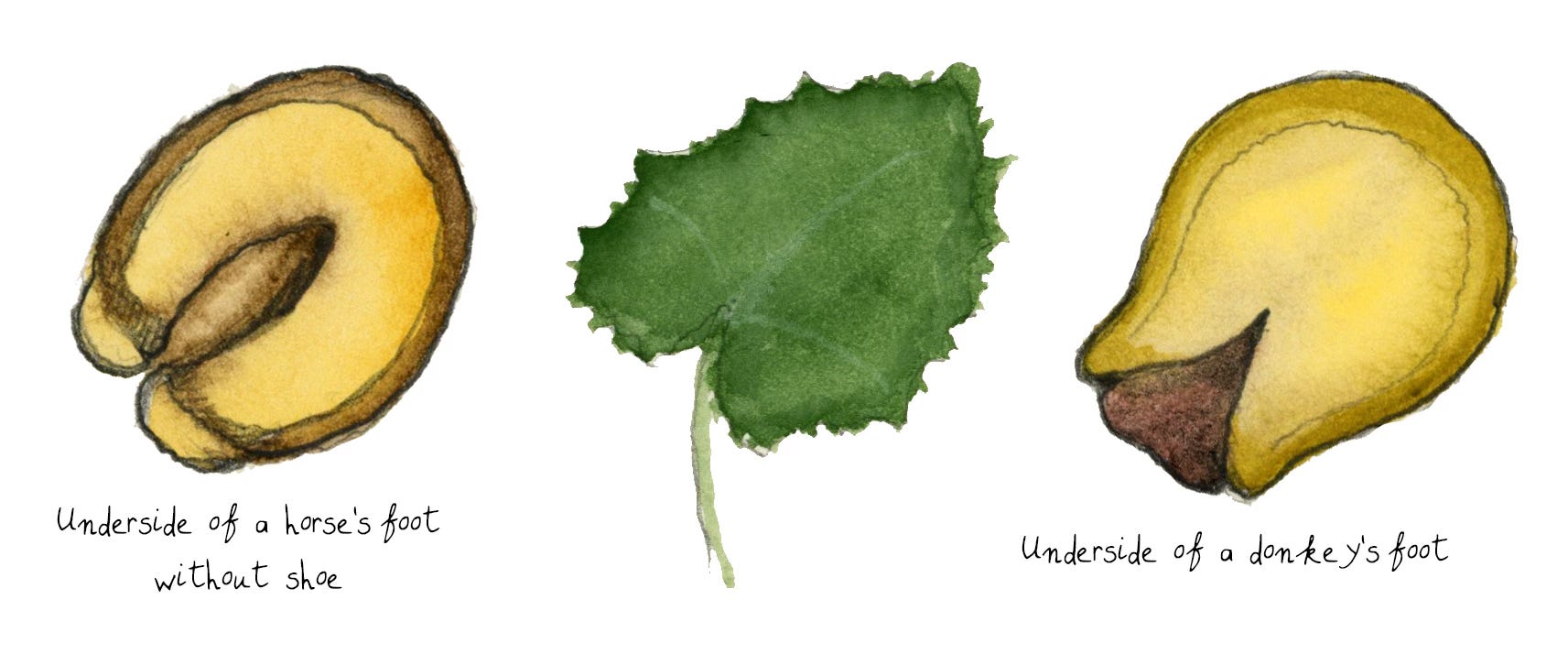
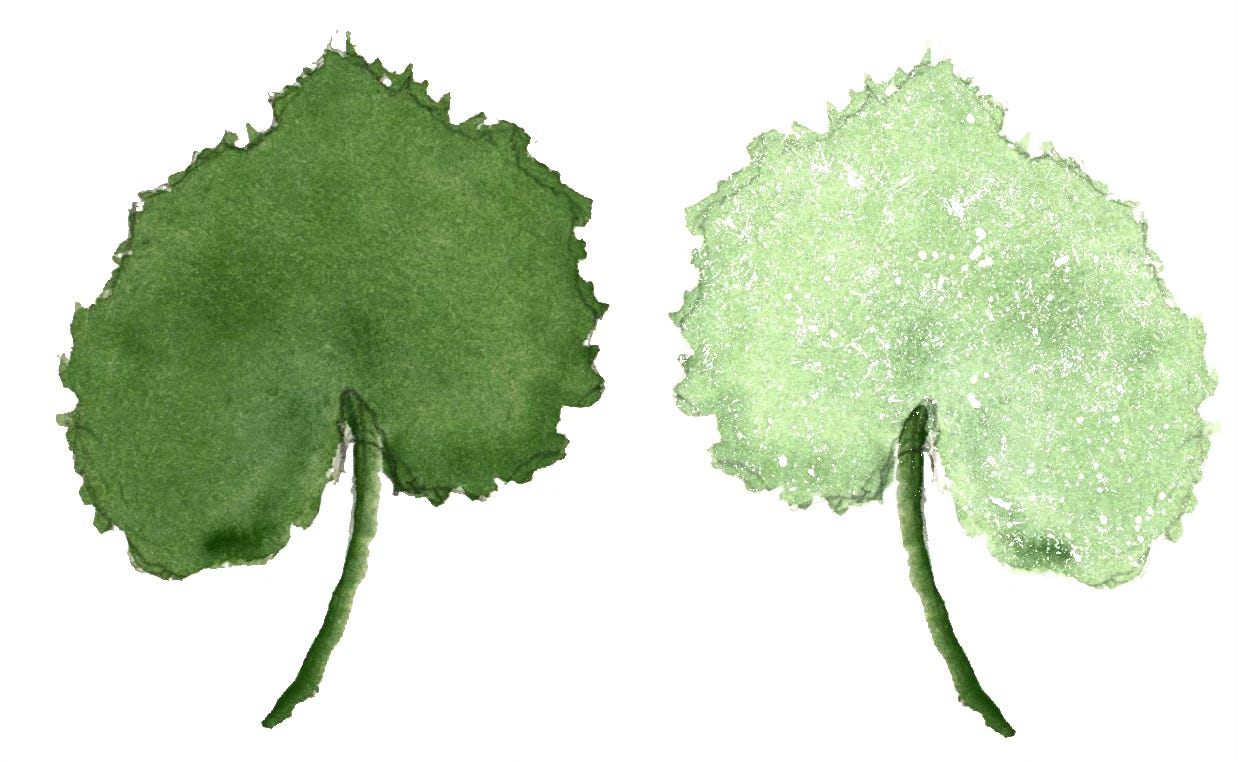
Colt’s foot is named, pretty straightforwardly, after the shape of its leaves which are said to resemble the foot of a young horse. Which they do, pretty much.
Another of its names, ‘Son-afore-father’, refers to the timing of its flowering which happens before it comes into leaf. Unusual in the botanical kingdom.
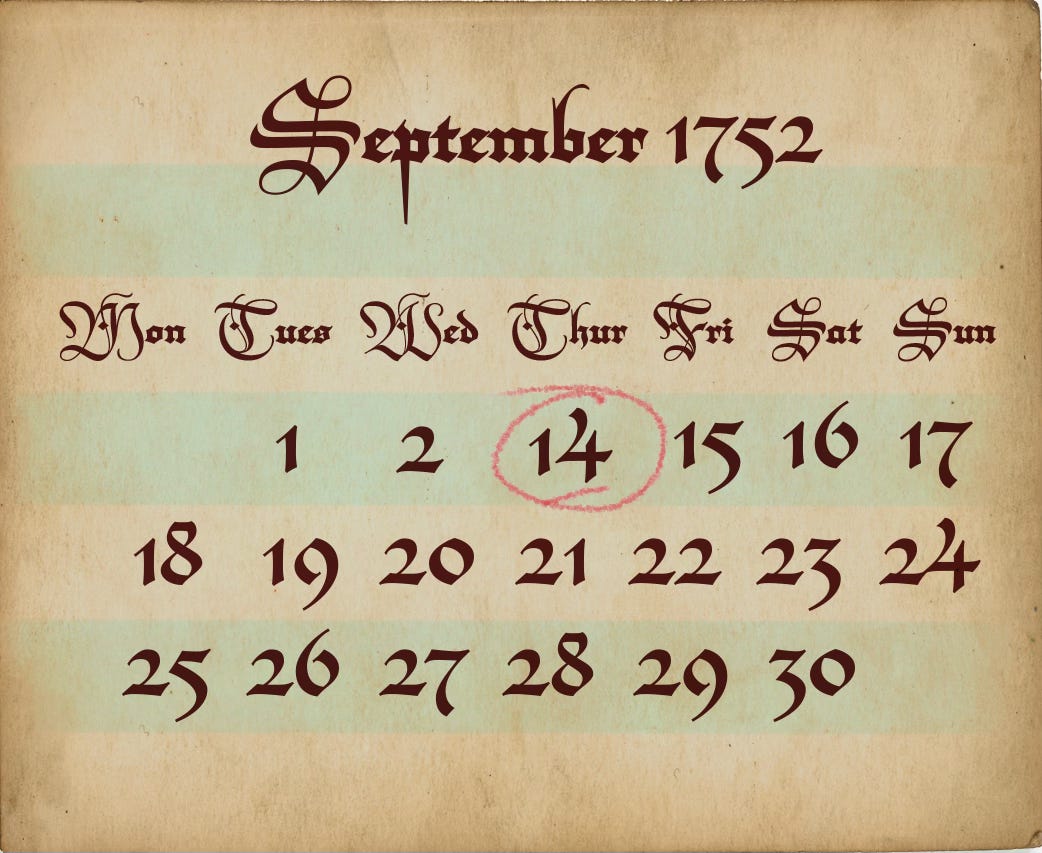
Something else which is a little unusual about Colt’s foot is how the time of year that it flowers seems to have changed over the centuries. 500 years ago, Herbalist John Gerard (1545–1612) placed its flowering time between the end of March and the beginning of April1:
“The flowers, which quickly fade, are to be seen in the end of March and about the Calends of April”
These days research sources tell us that Colt’s foot blooms between February and the end of April. Quite a difference. Especially if you take into account that when Gerard was writing, England was still on the Julian calendar - ten or eleven days behind our current Gregorian system. So his end of March to the beginning of April would have been more like the middle to the end of April today. A good six weeks difference (in terms of the start of its flowering range). Could it be down to Climate change?
Whatever the timing of its flowering, the most consistent common names were related to farm animals and their feet: Ass’s foot, Donnhove (donkey hoof), Bull foot, Cleats or Cleets (from northern dialects for colt) and of course Colt’s Foot itself.
These days the word ‘colt’ is primarily used for young male horses (apart, from team sports where the term is still used for young teams). In Old English ‘colt’ was also used, according to C.T. Onions (writer of the Oxford Dictionary of English Etymology) for young donkeys and camels (though he doesn’t mention what Camels were doing in Old England).
Etymologists suspect ‘colt’ is a word that came to the British Isles with the Vikings. They refer to the Old Swedish words ‘kult’, ‘kulter’, and ‘kulting’ which were used for half grown animals and for young boys.
The word ‘foot’ stems from the proto-germanic2 word ‘fōts’. ‘Fōts’ became ‘fōt’ in Old English and later ‘fote’ or ‘foote’ in Middle English.
Other names for Colt’s Foot, including Baccy Weed, Poor Man’s Baccy, Baccyplant and Coughwort, have a different origin. The Romans smoked dried Colt’s foot to treat persistent coughs (believe it or not!). Pliny (23-79AD) recommended you burn the dried leaves and roots, inhale and swallow the smoke through a reed and sip wine between each draw. 1,500 Years later Gerard wrote:
“The fume of the dried leaves taken through a funnel or tunnel, burned upon coals, effectually helps those that are troubled with the shortness of breath, and fetch their wind thick and often, and breaks without peril the impostumes of the breast. Being taken in manner as they take Tobaco, it mightily prevails against the diseases aforesaid.”
Nicholas Culpeper (1616-1654) concurred:
“The dry leaves are best for those who have their rheums and distillations upon their lungs causing a cough: for which also the dried leaves taken as tobacco, or the root is very good.”
People would also smoke it as a cheap replacement for tobacco.
The scientific name refers to Colt’s Foot’s cough-healing powers too, ‘tussilago’ comes from the Latin words ‘Tussis’ - to cough, and ‘Agare’ - to drive: a plant that drives coughs away.
‘Farfara’ comes from ‘far’, Latin for ‘flour’ and ‘ferre’, ‘to carry’. The underside of the leaves are pale, as if dusted with flour. If you peel off that whitish layer, and look in the leaf’s now shiny surface, you can apparently see the face of your future spouse.
Gerard recommends Colt’s Foot for something he called ‘St Antony’s Fire’:
“The green leaves of Fole-foot pounded with honey, do cure and heal the hot inflammation called Saint Anthonies fire, and all other inflammations.
The name Saint Antony’s Fire was used for various conditions, the most famous being ergotism. Ergotism is caused by ergot, a fungus which grows on rye and other cereals, and which leads to dry gangrene, convulsions and hallucinations. Some theories blame ergot for the infamous witch trials in Salem (17th century) and the witch hunts across Europe (15th - 18th centuries).
Another is Erysipelas, a bacterial infection causing fevers, chills, vomiting and painful red plaques on the skin, which can lead to skin necrosis.
Culpeper’s description indicates that in this case St. Anthony’s fire was Erysipelas:
“It helpeth St. Anthony’s fire and burnings, and is singular good to take away wheals.”
Wheals and a burning pain are typical symptoms of Erysipelas.
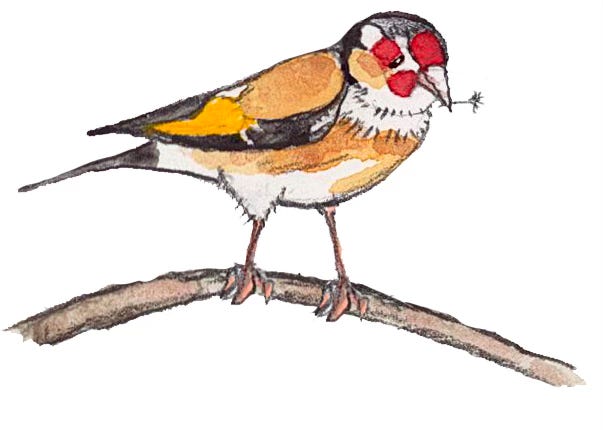
Birds use Colt’s foot too. Goldfinches like to line their nests with the fluffy seeds. And it is said that in the Scottish Highlands those same seeds were used to fill mattresses and pillows. You’d need an awful lot of them though!
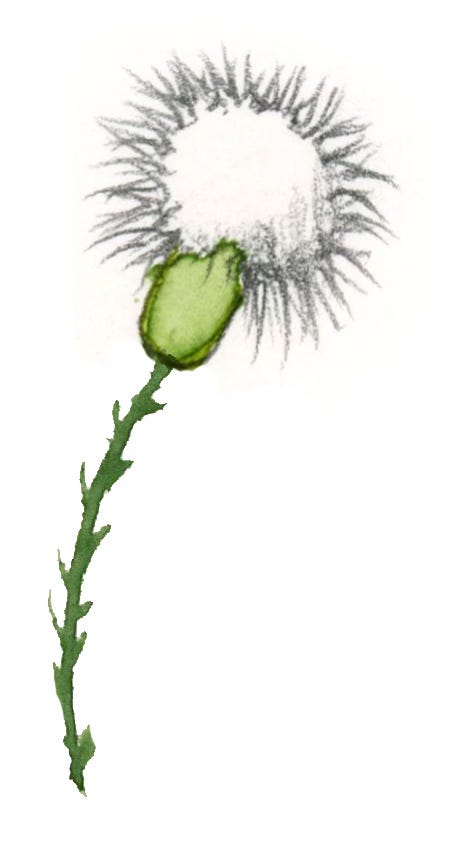
Other names for Colt’s foot are: Clay Weed (it likes to grow on clay), Dove Dock, Dummy Weed, Tushy Luck, and more references to animal feet: Sow foot, Colt herb, Foal foot, Horse foot, Hoofs, Horse Hoof and Calves’ Foot. In other languages Colt’s foot is named similarly, ‘Klein Hoefblad’ in Dutch for example (small hoof leaf).
Flowerology is a reader supported publication. To support my work you might consider to subscribe for free,
buy me a tea to help keep me awake when researching ancient herbals and plant-lore till deep in the night (Thank you!)
or simply click the heart shaped ‘like’ button on the top or bottom of this post (it supposedly helps the algorithms). Thank you so much!
If you are looking for the etymology of a specific wildflower, you can find all flowers covered so far in Flowerology in the alphabetical archive.
You can find a list of all the books used for researching Flowerology in the Reading List which is frequently updated with new etymology dictionaries, herbals and plant lore books.

This newsletter is NOT a field guide for flower identification. It’s often difficult to tell the difference between harmless plants and poisonous plants and some flowers are rare and protected by law, so, NEVER pick or use any plants or flowers if you’re not sure about them.
illustrations and text ©Chantal Bourgonje
‘Calends’ was a word used for the beginning or first of the month
Proto-germanic was a language spoken from about 500BC in Denmark and the south of Sweden and Norway
Excellent piece, I see little coltsfoot these days but it was ever present in rural watwicshire in my youth. I do see it on canal towpaths more often than not.
I remember buying coltsfoot rock as a child. It was a very hard stick of sugary paste which tasted vaguely medicinal and lasted forever as it had to be sucked rather than bitten off in lumps. Those were the days of proper sweetie shops…there’s still one in Pately Bridge in North Yorkshire. Not sure if they sell coltsfoot rock though.