

Cleavers / Goosegrass
Galium aparine

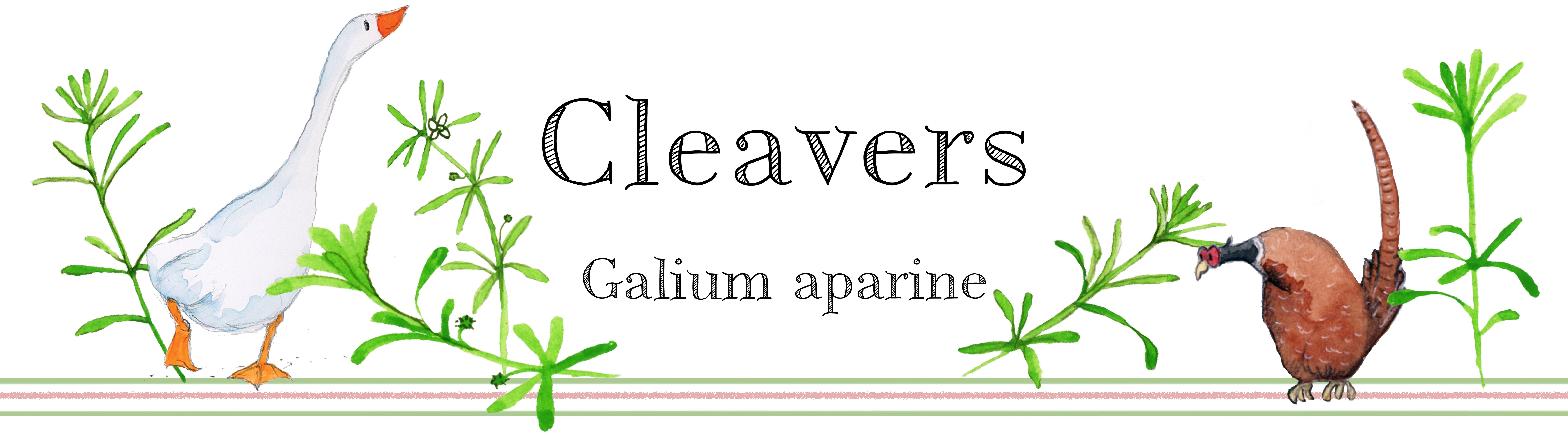
If you walk your dogs in the countryside, you might recently have noticed fresh, young shoots of Cleavers in the hedgerows. You might also have noticed your dogs making a beeline for it.
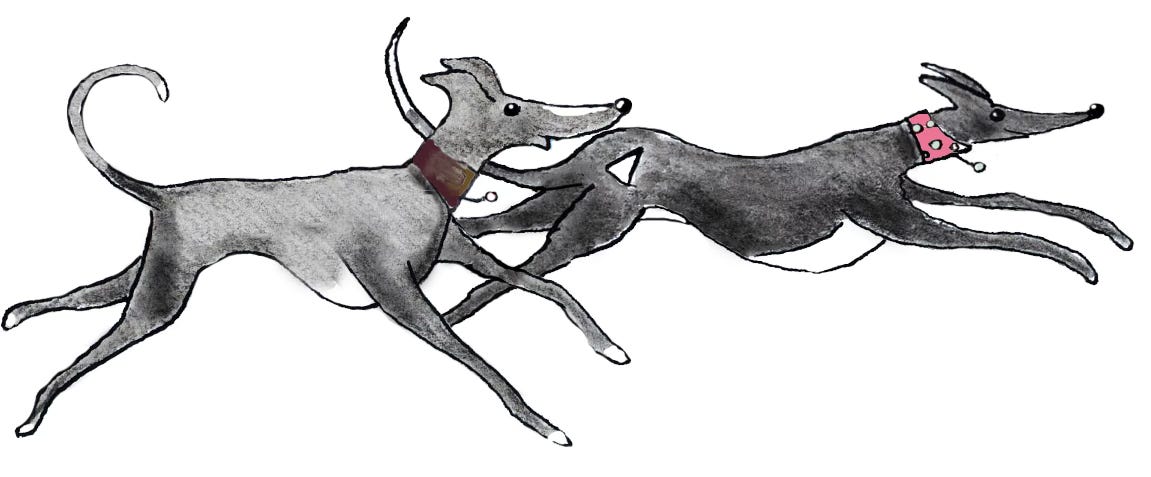
Years ago, I asked our vet whether it was safe for dogs to eat, especially as one of mine at the time, Poppy, would consume it in vast quantities. I was told there was no problem, it was like salad for them. And he told me something else: Cleavers are related to the coffee plant and contain caffeine. Tasty salad maybe, but I suspect from the way some dogs guzzle it, they get quite a buzz from it too. Maybe the promise of a caffeine hit was the deal Cleavers made to tempt passing animals into thickets where they’d be covered in the sticky little seeds, later spread around the countryside via said animals’ furry coats - long-haired dog-owners will be well familiar with the system.
Humans have consumed Cleavers as well in its seed form. Dried and roasted, it’s been used as a replacement for coffee for centuries. And, according to John Gerard (1545–1612), it has an additional benefit of being a slimming aid. In the sixteenth century he wrote:
“Women do actually make pottage of Cleavers with a little mutton and Ote meale to cause lanknesse, and keepe them from fatness”
Nicholas Culpeper (1616-1654) concurred:
“It is familiarly taken in broth to keep those lean and lank that are apt to grow fat.”
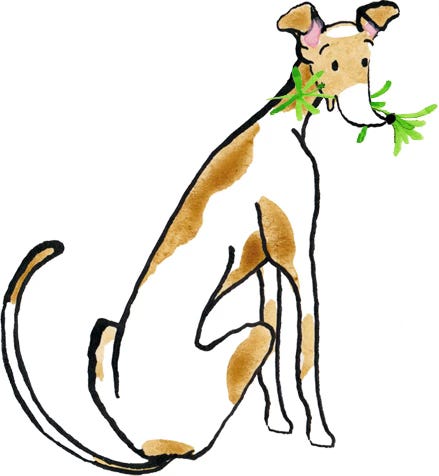
A coffee substitute that keeps you lean and lank? I think our whippet is probably lean and lank enough right now, but you can see why it might have been popular for humans in pre-Ozempic days gone by.
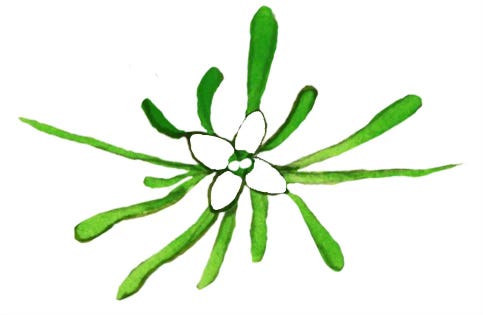
The word Cleavers comes from the Old English word ‘clife’ which means ‘claw’. Looking closely at the stem, the leaves and the seeds - pretty much the whole plant - you can see it’s covered in little claw-like hooks that make it stick to whatever it comes in contact with. ‘Clife’ is related to the Old English word ‘cleofian’, a verb which means ‘to stick’. And that’s what it does, its stickiness inspiring many names, including Clivers, Clithers, Catchweed, Stickyweed, Sticky Bob, Stickybud, Stickyback, Sticky Willy, Sticky Wully (in Scotland), Sticky Willow, Stickyjack, Stickeljack, Grip Grass, Velcro plant, Bobby Buttons, Barweed or Burrweed, Catchweed, and Everlasting Friendship.
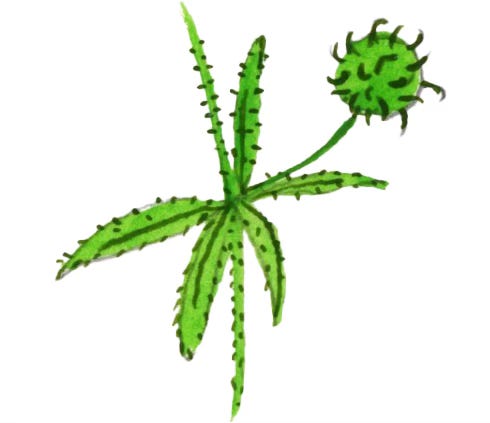
The second part of the scientific name is also a reference to its stickiness. ‘Aparine’ from the Greek ‘aparo’ meaning ‘to take hold’. The first part ‘galium’ comes from the Greek word for milk, ‘gala’. The plant was used in cheese-making, its sticky green strands formed into a ball through which milk was poured to start the curdling process.
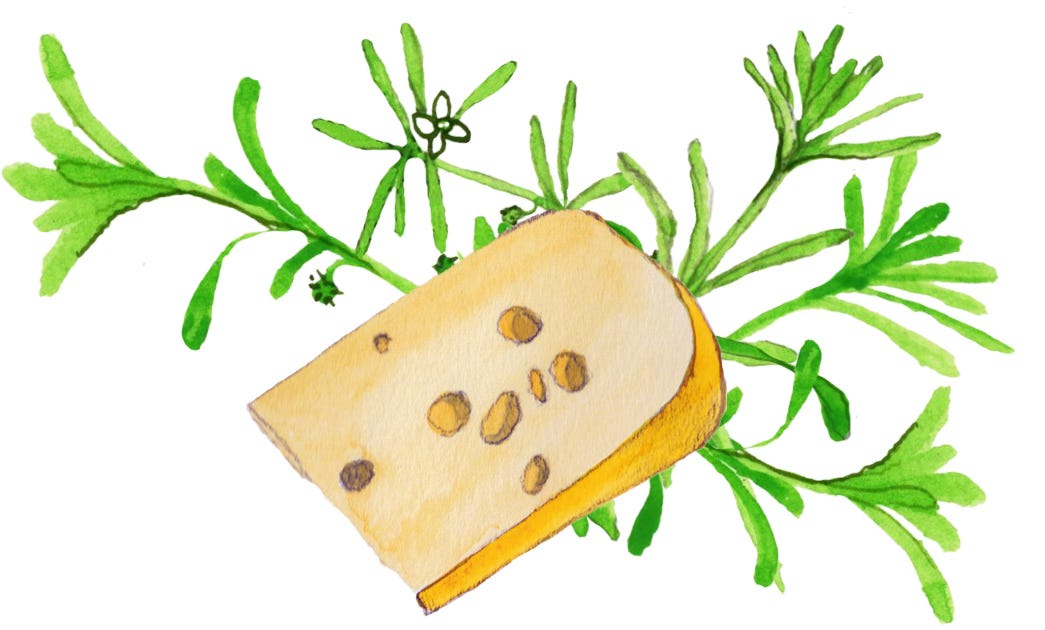
Like its cousin Galium verum, Lady’s bedstraw (which was used in cheese making too), Cleavers was also used in mattresses. Lady’s bedstraw, to get rid of bloodsucking parasites and Cleavers to hold the bed straw together, keeping the mattress evenly filled and less lumpy.
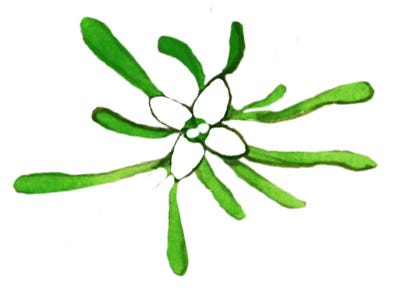
An old Anglo-Saxon name for Cleavers was ‘hedge rife’, meaning ‘robber’ or ‘tax gatherer’ (considered pretty much the same thing by many). This was because of the sticky plants’ habit of ‘robbing’ sheep of little bits of wool as they passed by. Over time this resulted in another series of words for Cleavers: Hedgeriff, hayriff, eriffe and hayruff.
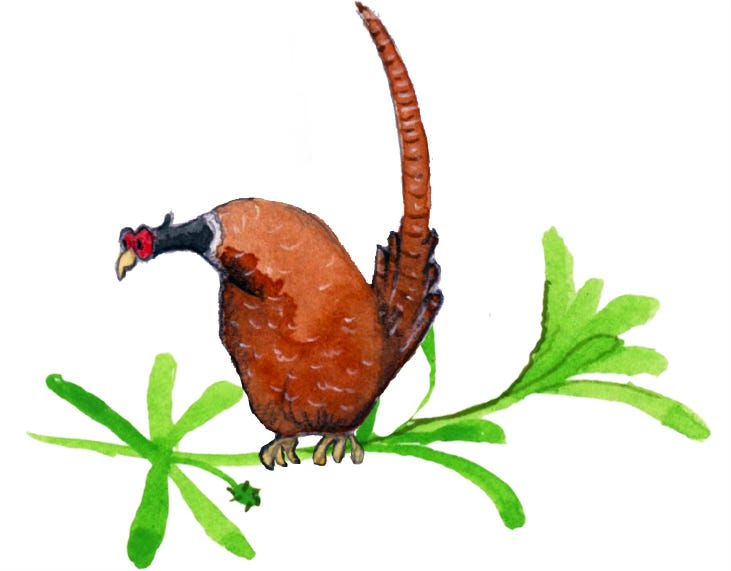
There are non-sticky names too. For example Goosegrass, Goosebill and Goose Share. Chopped up the plant was often fed to young poultry - goslings and pheasants - who all apparently enjoy it (more fans of Cleavers’ caffeine perhaps?).
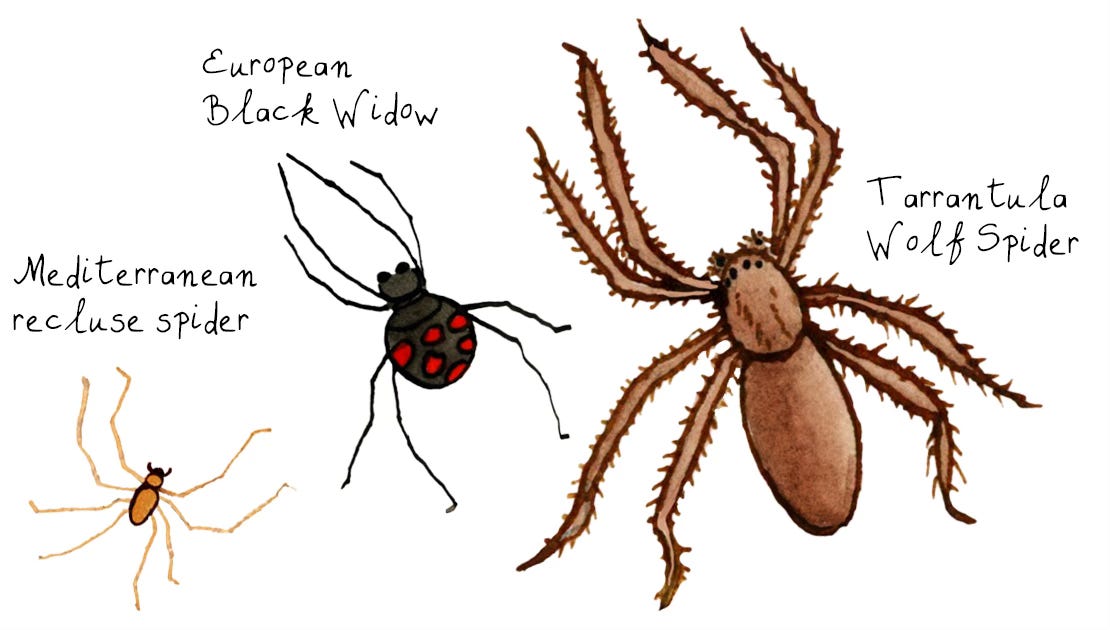
Cleavers had a number of other uses. In the 10th century Anglo-Saxon “Old English Herbal”, Cleavers was said to be (when steeped in wine or ale) a remedy for snakebites and the bites of
“Those venomous creatures we call spalangiones”
“Spalangiones”? According to Translaters of Old English manuscripts, Spalangiones could have been either venomous spiders or ‘wyrms’ which were deemed the cause of many ailments in the Middle Ages (see also Lesser Knapweed).
Cleavers were also said to be a cure (when mixed with other herbs including Groundsel) for a particularly unpleasant foot ailment which sounds like a nasty form of gout. As the Lacnunga (A book of remedies written around the year 1,000AD) put it:
“A foot disease with copious discharge, where the disease is masked by swelling and it oozes matter and pus, and the sinews are twisted and the toes contract.”
Ouch!
The Lacnunga also recommends using Cleavers for reviving dying cattle (in combination with holy water), healing scabby sheep, and to prevent sudden death of swine, though you had to recite four masses while feeding them the Cleavers.

Other names for Cleavers are: Robin-run-the-hedge, Robin-run-in-the-Grass (because of the long stems trailing through the grass and hedgerows), Scratchweed (it feels scratchy to the touch), Mutton Chops, Philantropos, Loveman, Cosgrass (coarse grass) and Tonguebleed (if you’re daft enough to scrape it across your tongue).
Flowerology is a reader supported publication. To support my work you might consider to subscribe for free,
buy me a tea or roasted Cleavers seeds to help keep me awake when researching ancient herbals and plant-lore till deep in the night (Thank you!)
or simply click the heart shaped ‘like’ button on the top or bottom of this post (it supposedly helps the algorithms). Thank you so much!
If you are looking for the etymology of a specific wildflower, you can find all flowers covered so far in Flowerology in the alphabetical archive.
You can find a list of all the books used for researching Flowerology in the Reading List which is frequently updated with new etymology dictionaries, herbals and plant lore books.
This newsletter is NOT a field guide for flower identification. It’s often difficult to tell the difference between harmless plants and poisonous plants and some flowers are rare and protected by law, so, NEVER pick or use any plants or flowers if you’re not sure about them.
illustrations and text ©Chantal Bourgonje
Ha! Always fun with 'Kleefkruid' (the Dutch name) sticking it to clothes.
My dad (Scottish) tells me they called it sticky wully, which is a delightful variation on sticky willy. We’ve always called it goose grass. What a lovely and interesting read, as usual!