
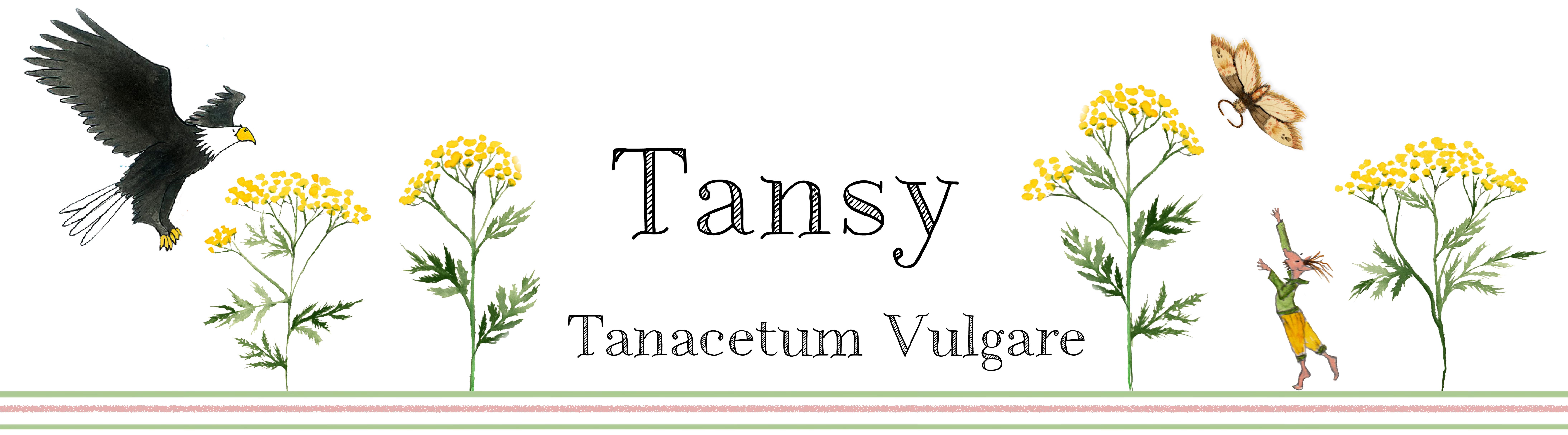
Tansy
Tanacetum Vulgare

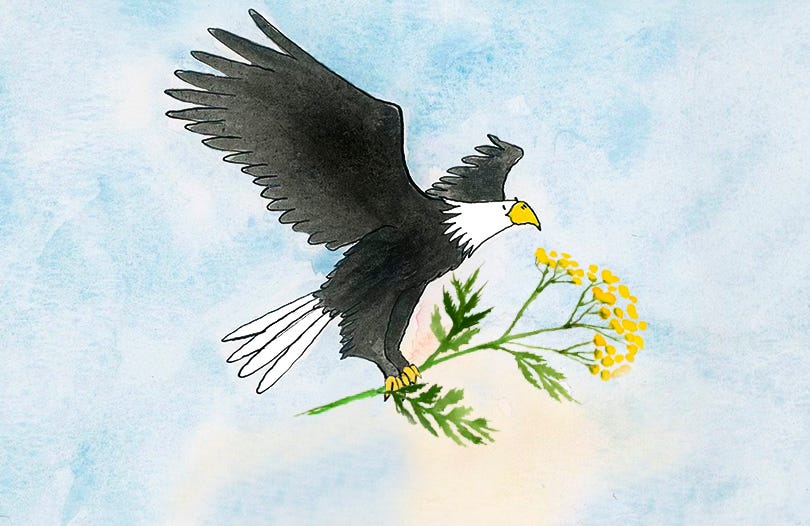
When Ganymede, the most beautiful young man on earth, saw Zeus swooping down on him in the form of a giant eagle, he must have thought his days were over. But no, Zeus merely took him up to Mount Olympus and made him his lover and cupbearer and offered him eternal life instead. Ganymede accepted and Zeus gave him an infusion of small yellow flowers, like golden buttons, which we now know as Tansy. After drinking the infusion, Ganymede became immortal.
The Greek word ‘athanaos’, means ‘immortal’ and lead to the Latin word ‘athanasia’ which was still the name for Tansy in the16th century. Over time, the word ‘athanasia’ contracted to Tanacee, then Tanaisie and nowadays Tansy.
There are more connections between immortality and Tansy. First of all, Tansy has a long flowering period from July to October. Then after picking and drying the blooms, they remain fragrant for a very long time. So people placed Tansy in coffins to mask the smell of death and decay. An example of this came about in 1846, when a group of antiquarians decided to investigate the Old Burying Ground in Cambridge USA (now part of Harvard Square) by opening some of the old tombs.
Various notable people had been buried in this old graveyard, but who was buried where had not been recorded. (It wasn’t until the beginning of the 18th century that putting stone markers over graves became normal practice, as a result of stone becoming more affordable and literacy more common.) In one of the tombs, the antiquarians found a set of remains wrapped in a shroud stuffed with Tansy. They claimed that the Tansy flowers were still intact and fragrant. What’s even more astounding, the remains inside the shroud were said to be still identifiable.
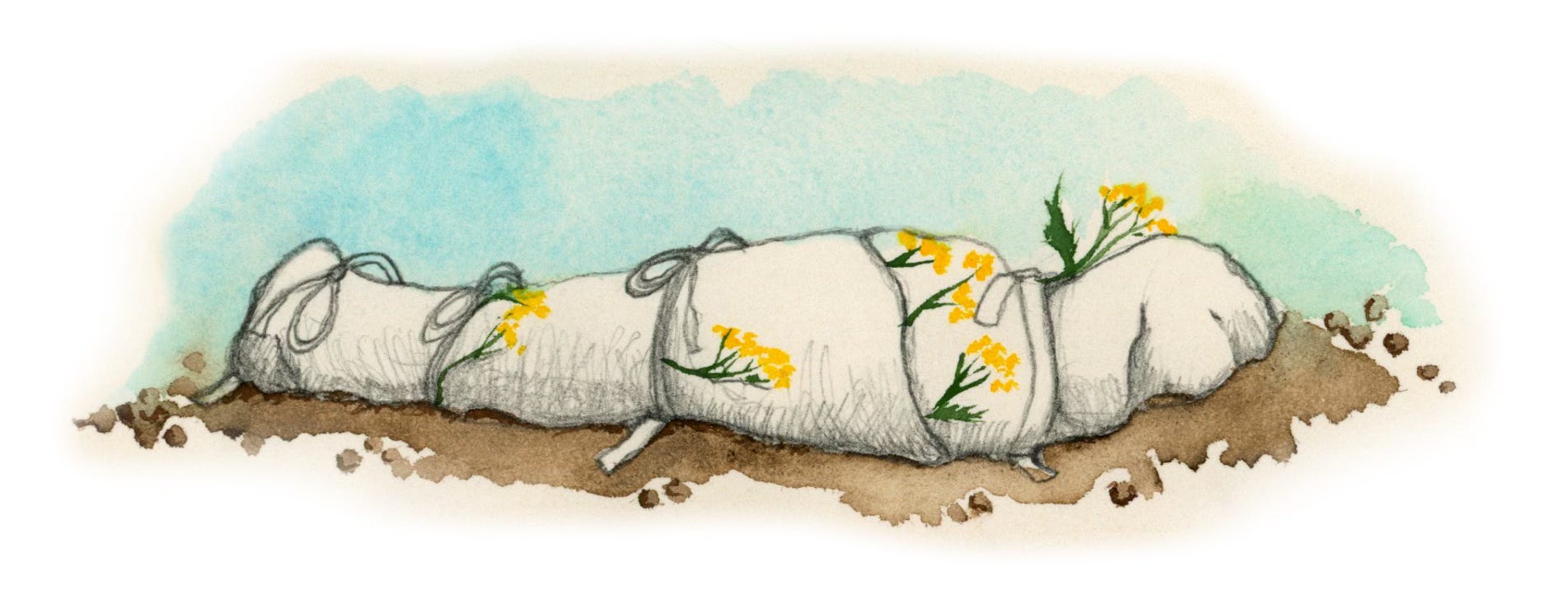
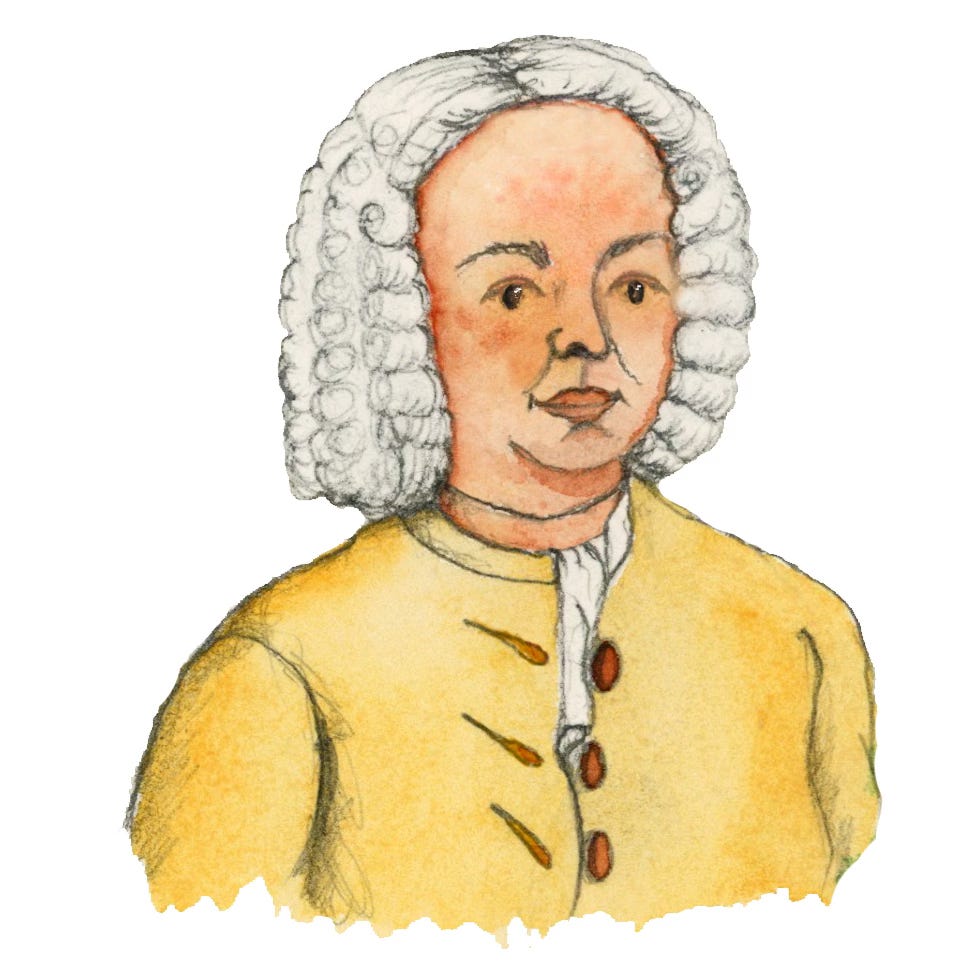
Although some people were skeptical, the antiquarians believed they had found the remains of the first president of Harvard, Henry Dunster, who had died almost two hundred years earlier in 1654. A stone was erected in his memory, which you can still visit today.
As well as mythological links to immortality on Mount Olympus, Tansy was also seen, in the more earthly realm, by some as a contributor to the creation of new life. They believed Tansy could aid couples who wanted to conceive. A bit of sympathetic magic was at play here: Tansy likes to grow in disturbed ground, and you tend to find disturbed ground around rabbit warrens. We all know what rabbits are famous for and it was concluded that Tansy might have contributed to their fecundity. Conversely, some folk herbalists recommended Tansy for the ending of pregnancies when they were unwanted - it’s difficult to imagine two more opposing beliefs.
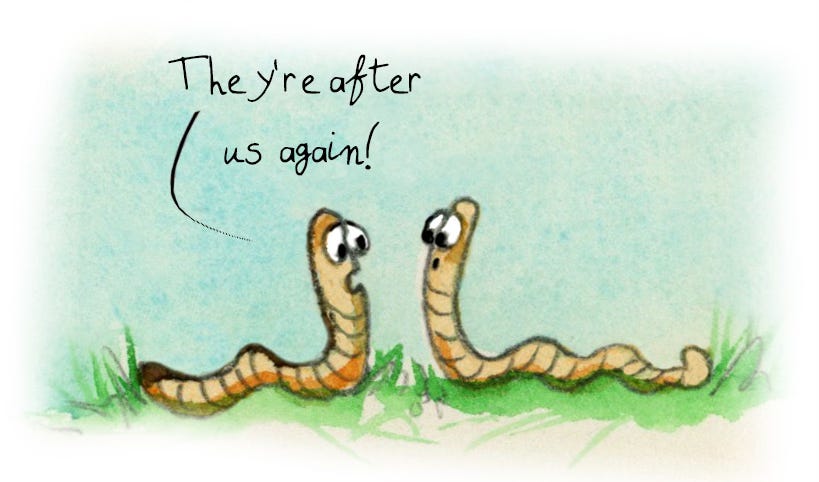
Tansy has had numerous other uses over the centuries including in religious practises and as a culinary ingredient (Tansy pudding or cake, was a popular spring dish in the 17th and 18th centuries which was said to cleanse the body - by helping to expel “winter worms”). There were many medicinal uses too, from the treatment of colds and fevers to digestive and neurological conditions. The big problem with Tansy - as with other herbs, like foxglove - was that the compounds that might help treat various ailments were the same compounds that could prove poisonous (depending on dose, which could be difficult to get right) and that could result in severe nausea, vomiting, diarrhoea, seizures, organ damage and even death.
The use, since ancient times, of Tansy as a cure for intestinal worms contributed to its scientific name, ‘Tanacetum’, which comes from the Latin word Teania, which means ‘tapeworm’. ‘Vulgare’ means ordinary or common.
Tansy is named after its effectiveness in curing tapeworm in other languages too. In Spanish: Tanaceto; in French: Tanaisie; and in Italian: Tanaceto Comune - all from the Latin for tapeworm. In Dutch it is known as Boerenwormkruid (farmer’s worm herb).
Next to expelling worms Tansy was also considered a good fly and moth repellent (20th Century herbalist Maude Grieve compares the fragrance to the smell of camphor) and as such was used as a strewing flower in the old days when life was a bit more smelly. And Tansy is one of the many ingredients of the famous medieval Green Salve, mentioned in the 1,000 year old medical reference book ‘Lacnunga’ (see chickweed for the full list of ingredients).
Other names for Tansy are Golden Buttons, Yellow Buttons and just Buttons.
Flowerology is a reader supported publication. To support my work you might consider to subscribe for free, buy me a tea (to keep me awake when reading ancient herbals till deep in the night) or simply click the heart shaped ‘like’ button on the top or bottom of this post (it helps the algorithms apparently). Thank you!
If you’re curious about other wildflower names, you can find all flowers covered in Flowerology so far, in the alphabetical archive. And you can find a list of all the books used for researching Flowerology in the Reading List which is frequently updated with new etymology dictionaries, herbals and plant lore books.
This newsletter is NOT a field guide for flower identification. It’s often difficult to tell the difference between harmless plants and poisonous plants and some flowers are rare and protected by law, so, NEVER pick or use any plants or flowers if you’re not sure about them.
illustrations and text ©Chantal Bourgonje
Always fascinating . . . . . sometimes confusing or contradictory but always interesting.
found any new floral antibiotics ?
It takes over the garden, field etc etc