
Poppy
Papaver rhoeas

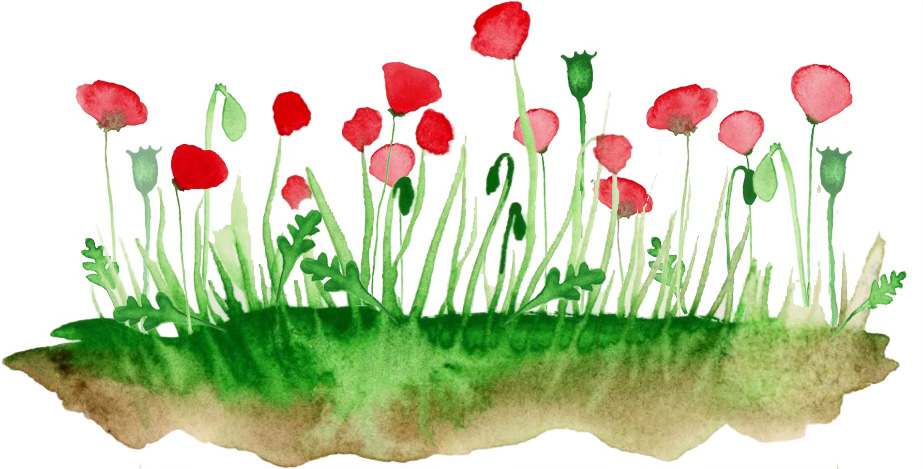
The possible associations and derivations of the Common Poppy, Papaver Rhoeas, are not for the faint-hearted. They include blood, bones, diarrhea, gonorrhea, demons, vampires, worts and nosebleeds. And we haven’t even got to the appalling slaughter of millions of men on battlefields, particularly relevant today, November 11th, Remembrance Day.
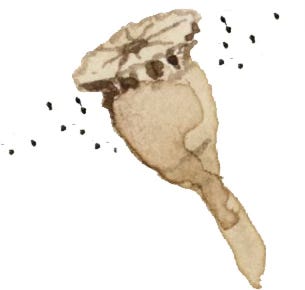
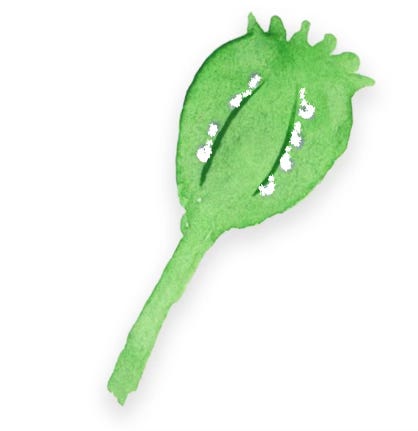
But let’s start at the beginning. First and foremost it seems the word ‘Poppy’ is most likely to be about popping. Poppy seedpods “pop” and spread their roughly 17,000 seeds per plant everywhere. And so it’s been seeding itself successfully all over the world for millions of years. Particularly on battlefields.
Which brings us to another name for the flower: ‘Flanders Poppy’. During the First Word War, soldiers in the trenches of Flanders often included dried poppies in their letters home. The flowers, which germinate and do well on disturbed ground, grew in huge profusion on the war-torn battlefields and graveyards of Belgium and Northern France. At that time, the beautiful, simple flowers were seen by some soldiers as symbols of hope - understandable in the grim day-to-day existence of trench warfare.
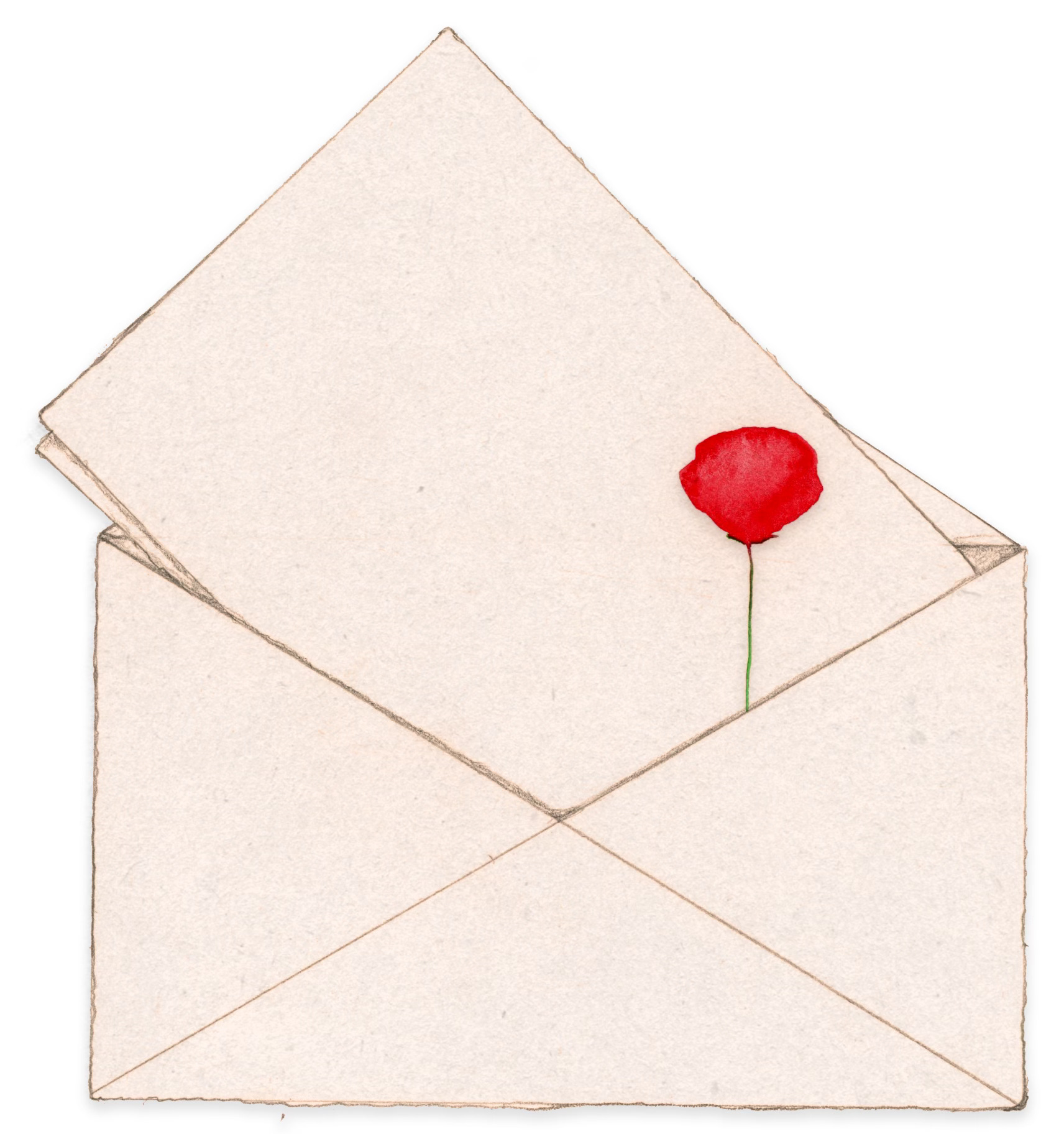
After the war, in 1920/1921 the Poppy became the symbol of remembrance in both the US and Britain.This followed campaigns by two women: American academic, Moina Michael and Anna Guerin from France. Moina Michael was particularly affected by the poem “In Flanders Field” by Colonel John Macrae (who didn’t survive, dying in 1918). His poem made the association closer to the tragedy of war, with the opening lines:
“In Flanders fields the poppies blow,
Between the crosses, row on row”

The association of poppies with battlefields goes back much further than the early twentieth century. The flowers carpeted the battlefield of Waterloo, for instance. And in his book, The Scottish Soldiers of Fortune (published in the early nineteenth century), James Grant describes how a Scots’ brigade lost 10,000 men at Neerwindon, in the battle of 1693 with the French. The Earl of Perth described, in a letter to his sister, how:
“The next summer the soil , fertilised by 20,000 corpses, broke forth into millions of scarlet poppies.”
The experts have established, though, that the growth of poppies on battlefields is not a result of ground being fertilised by the blood of the fallen, but by the disturbed ground bringing dormant, buried poppy seeds into sunlight.
Leaving the sombre realities and associations with battlefields to one side, Poppies, according to folklore, have numerous uses for human beings.
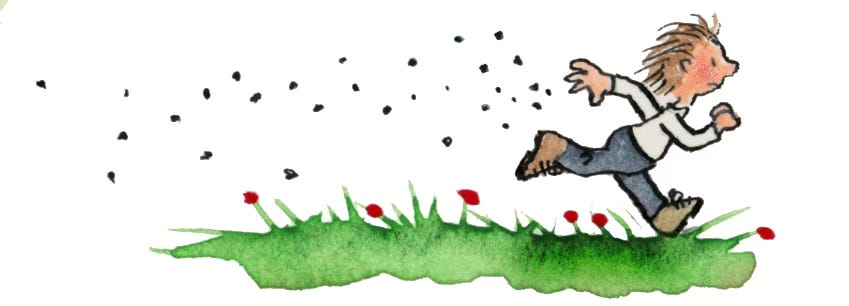
For instance, if you’re unfortunate enough to be followed by demons or vampires, just throw a handful of poppy seeds at them and they’ll immediately stop, get down on their hands and knees and and start counting the seeds which, with a bit of luck, will have gone allover the place - the vampires and demons just can’t help themselves. And meanwhile you make your escape. Of course this suggests that you should walk around with your pockets full of poppy seeds at all times. But maybe it was worth it?
The Anglo Saxon word for the Poppy was ‘popaeg’, which later became ‘papig’ or ‘popig’, morphing over time to ‘Poppy’. This came from the Latin word ‘Papaver’, which means to ‘pop up’. Although some say that Papaver comes from the Latin word ‘pappa’, a porridge, after the milky substance (latex) that flows from the seedpods if you cut them before they dry.
The second part of the scientific name ‘rhoeas’ comes from the ancient Greek word ‘rhoias’ for ‘to flow’, which according to Pliny (23-79AD) refers to the way the red petals so easily fall - or flow - off the stem. For the same reason ‘rhoias’ is also the origin of the second half of words like diarrhea and gonorrhea. Eek.

The Poppy has quite a list of names coming down through local folklore. These mostly seem to be aimed at stopping children and women from picking the pretty red flowers and in the process damaging the crops amongst which Poppies like to grow (it looks like fake news has been around for quite a while):
Wart Flower in Cornwall, where it was said that handling Poppies would cause warts.
Blind Eyes in Yorkshire, where people believed if you held Poppies near your eyes it would cause blindness
Headaches, touching Poppies would cause headaches, especially in young, unmarried women
Thunderflower, Thundercup or Lightnings, if you bring Poppies into your house it would cause thunderstorms, but if you leave them growing on the field your crops would be safe from rain storms
Earaches, if you put poppies near your ears it would give you a terrible earache.
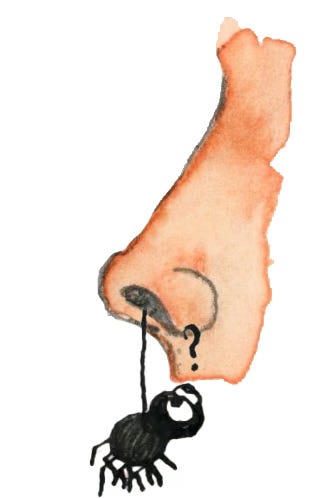
Nosebleed, if you smell Poppy flowers they will cause nosebleeds. On the bright side you can stop the bleeding if you stuff lots of cobwebs up your nose.
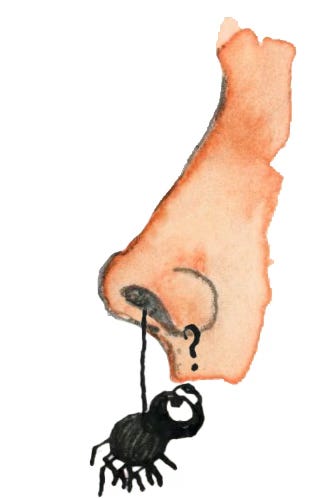
Other names are Corn Poppy, Field Poppy, Corn Rose, Flores Rhoeados, Soldiers, and Redcaps
Flowerology is a reader supported publication. To support my work you might consider to subscribe for free, buy me a tea (to keep me awake when reading ancient herbals till deep in the night) or simply click the heart shaped ‘like’ button on the top or bottom of this post (it helps the algorithms apparently). Thank you!
If you’re curious about other wildflower names, you can find all flowers covered in Flowerology in the alphabetical archive. And you can find a list of all the books used for researching Flowerology in the Reading List which is frequently updated with new etymology dictionaries, herbals and plant lore books.

This newsletter is NOT a field guide for flower identification. It’s often difficult to tell the difference between harmless plants and poisonous plants and some flowers are rare and protected by law, so, NEVER pick or use any plants or flowers if you’re not sure about them.
illustrations and text ©Chantal Bourgonje
Zal voortaan zaadjes oogsten v mn papavers. Wil geen vampier in mn tuin haha
One of my favourite flowers.